April 2026 Newsletter
THE SPRING EDITION
Hello everyone, wherever and whenever you are, and welcome to the April Edition of the Shakarri News.
DAYLIGHT SAVINGS TIME
British Columbia has finally decided to stop waiting for consensus on permanently eliminating the ritual disruption of changing the clocks twice a year, and has adopted permanent daylight savings time. As expected some people are pleased with the decision and some are not.
I googled “range of daylight vs darkness above the 49th parallel” and received the AI generated response below.
“Above the 49th parallel, daylight varies dramatically, ranging from roughly 16 hours in summer to 8 hours in winter, with high-latitude arctic regions (66.5°N+) experiencing 24-hour midnight sun and months of polar night. Closer to the 49th parallel, the difference is less extreme, moving toward 24-hour sun/darkness near the poles.”
With that range of variation, are we not adjusting our circadian rhythm to some degree every day of every month? Which begs the question — other than the first permanent change of one hour — how significant is the effect of permanently changing from standard time to daylight savings time? The answer is — it depends. Many people simply adapt, and have shrugged off the ‘twice a year change’ begrudgingly, while there are those who truly struggled with fiddling with the change. Some people who work shifts and many young people are among those who fall into the second group.
The BC government has at least made a decision. It’s not a bad decision, and if it proves to be the poorer choice, hopefully the egos are sympathetic enough to switch to the only other choice one “final” time, and then everyone “should” be happy. Is it possible for everyone to be happy? I hope so!
If you are interested in learning more about the circadian rhythm, I have included a link below.
A QUESTION OF TIME
Have you ever wondered how — or when — we came to adopt the 60 minute system of measuring time rather than the decimal system? The system is thousands of years old built through thorough astronomical observations by ancient civilizations. The article in the link below is fascinating, or it was for me. It is a medium length article, but worth the read.
SLEEP
THE FORGOTTEN PRACTICE OF TWO SLEEPS
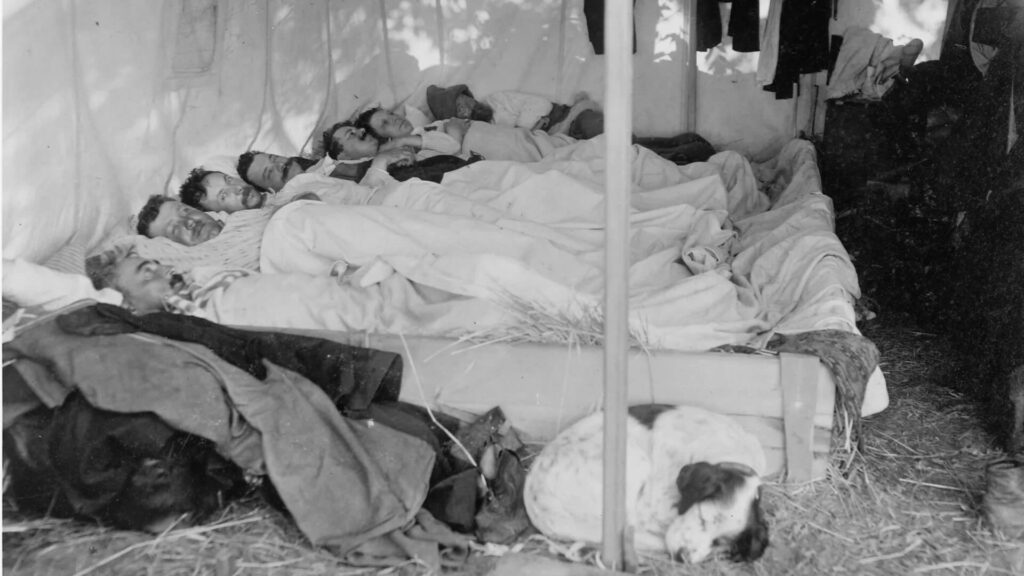
While I worked, I don’t believe I ever got a full eight hours of sleep. It was rarely six hours, and even then it was often a restless sleep. Not much really changed when I retired. I would wake up during the night and lie there staring at the ceiling, or do the crocodile roll in frustration until I finally got up and sat in the living room. After an hour or so I’d return to bed and fall asleep. It turns out that in the past this was not abnormal at all. In fact, the norm was to go to bed at a set time, called the first sleep. In the middle of the night, say around 02:00, everyone would get up, do chores, socialize, and do whatever they needed to do. Then later, they would return to bed and have their second sleep. So, rather than getting frustrated with your sleep patterns, embrace them and make them work for you.
The link below is the article related to the two sleeps.
https://www.bbc.com/future/article/20240315-the-ultimate-guide-to-optimising-your-sleep
SLEEP DOES NOT SLOWLY COME UPON US, IT ARRIVES SUDDENLY
A separate study I found relates to how falling asleep is sudden, and was a revelation for me. I’ve attached the link, but it is really just a teaser. It gives the gist of the article, but to finish the read you need to subscribe.
In its place, if you type in the heading above in Google, the AI gives a decent summary of the article.
A QUESTION RELATED TO LETHAL TATTOOS

I was recently asked how readers should pronounce the names of the characters in my books. My usual answer is, everyone interprets them differently according to how they envision the character, so there is no correct way to pronounce them. However, not unreasonably, one reader actually wants to know how I say their names. The list of main characters is below. Note that I did not use true phonetics to properly express their names. I’m fairly certain the end result is close to my version, and apologize if it offends anyone, but I wasn’t prepared to take a course in phonetics. I will try and include the list of new characters who appear in “Tiger Man” in a future newsletter. “The End of the Beginning” names will be in a newsletter following its release this fall.
Pronunciation of Main Characters in Lethal Tattoos
K’TAR
|
Paori Hema |
Pay-or’-ee Hee’-mah |
|
Anaru Petara |
An-are-ooo’ Pet-are-ah |
|
Kijah |
Key’-Jay |
|
Kalene Malia |
Kay-lean’ Mah-lee’-yah |
ANCIENTS
|
Ikai Dirma |
Ee’-kay Der’-mah |
|
Bruckin Khoroush |
Brew’-kin Core-oosh’ |
|
Sadbha Rhiann |
Sad’-bah Ree’-ahn |
|
Muirge Fionn |
Merg Fee’-own |
SHAKARRI
|
Bahina |
Bah-hee’-nah |
|
Chhaya |
Chah- high’-yah |
|
Aditi |
Ah-dee’-tee |
|
Eir |
Ire |
|
Jaya |
Djeye’-ah |
|
Bebinn |
Beh’-bin |
|
Jagannatha |
Jag-ah-nath’-ah |
|
Kumal |
Coo-mall’ |
|
Kunan |
Coo’-nan |
|
Mitra |
Mee’-trah |
|
Rama |
Raw’-mah |
|
Ravi |
Rah’-vee |
|
Sangha |
Sang’-ah |
|
Suka |
Soo’-kah |
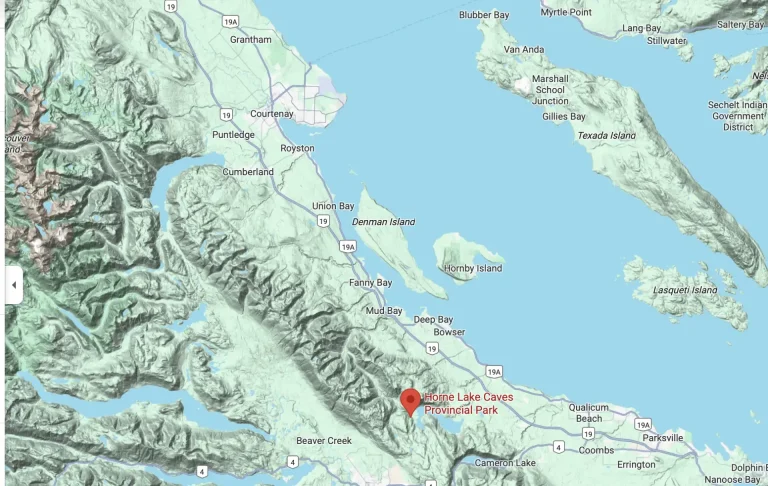
MINI ICE-AGE AND MOUNTAIN RANGES ON VANCOUVER ISLAND
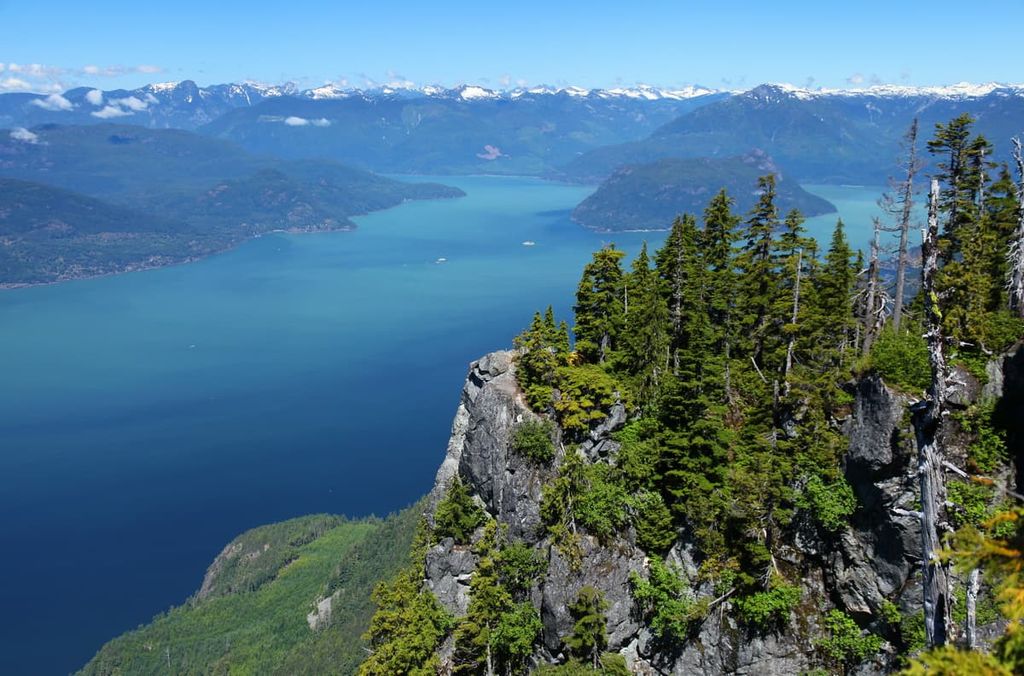
In the Pleistocene epoch, there were at least four glacial maximums during which Vancouver Island was covered with ice. During the Fraser Glaciation between 29,000 and 15,000 years ago, there was an ice sheet covering Vancouver Island and strait that linked to the mainland. Some sources say that the ice was over a mile high and that some areas are still rebounding from the immense weight of the ice.
It was during this period that the “Ancients” from Earth crawled through tunnels connecting Vancouver Island to Jord in a desperate effort to survive.
There are 532 named peaks and 18 named subranges on Vancouver island. The tallest and most prominent mountain on is Golden Hinde in Strathcona Provincial Park. More on that in the future.
Vancouver Island is 456 km (283 mi) long and 100 km (60 mi) wide at its widest points.*
Below is a comprehensive document covering Vancouver Island that is worth having a look at for content and future reference.
*Copied from the information contained in the following link.
https://peakvisor.com/range/vancouver-island-ranges.html
APRIL BRINGS THE SHOWERS, AND THE BEES BRING THE FLOWERS
QUESTIONS? THOUGHTS
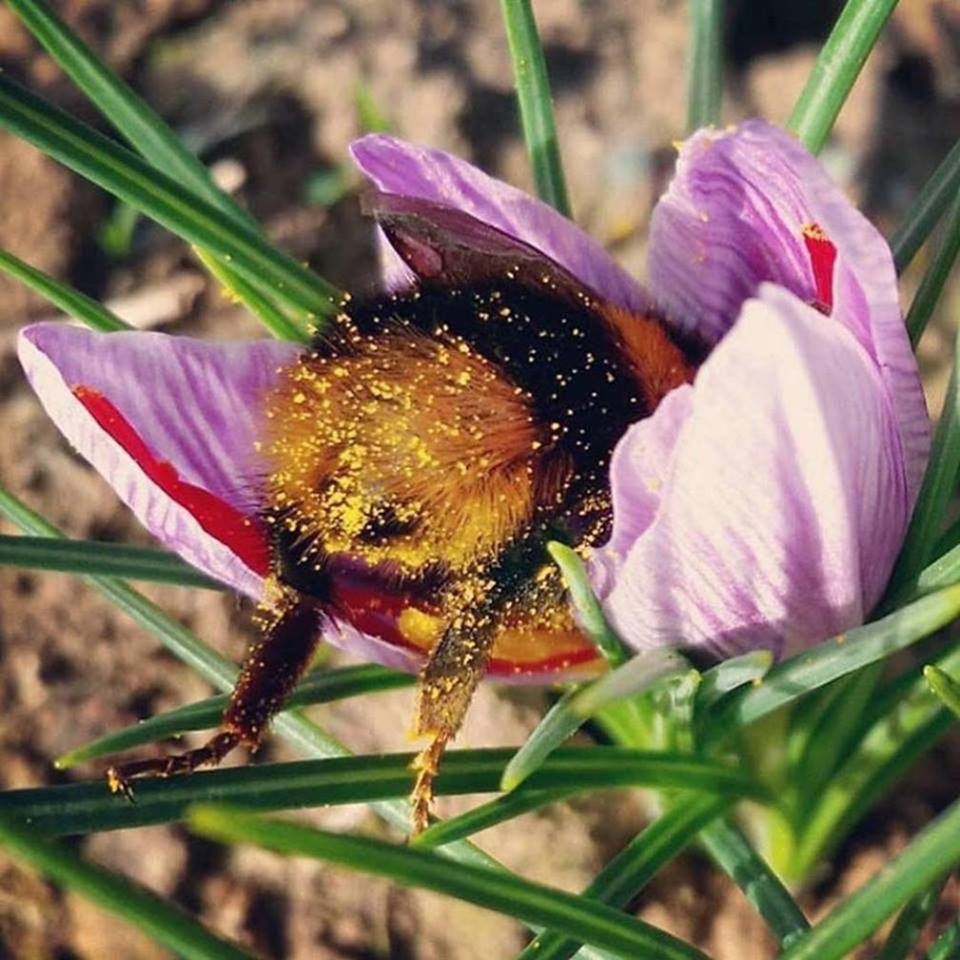
As the weather warms and the plants bud, keep in mind the importance of bees and other pollinators such as birds, bats, butterflies, flies, wasps, and beetles who are essential to plants and agriculture. There are many things we can do to protect and help these busy little creatures, such as planting native flowers that bloom at different times, eliminate synthetic pesticides, and provide water sources like shallow bee baths. Dandelions are often the first flowers of spring that the bees rely on, so don’t pull them out or spray pesticides on them. If you find a tired bee on the ground, you can mix one tablespoon of white sugar with two tablespoons of water to give them a quick energy boost. Bees and other pollinators regularly sip from our hummingbird feeder for a quick boost of energy during the day, so think twice about chasing them away.
The majority of bee species are not aggressive, and many have no stinger, so don’t try and kill them. Educate children — and misinformed adults — so they understand the value of these creatures. Above all, be informed and bee safe.
As always, I’d love to hear from you, so Email Me and let me know your thoughts on anything in this newsletter, or suggestions for what you’d like to see in future editions.
-Ray
Ray St. Denis
Author, The Shakarri Series